


“Surrender to God”
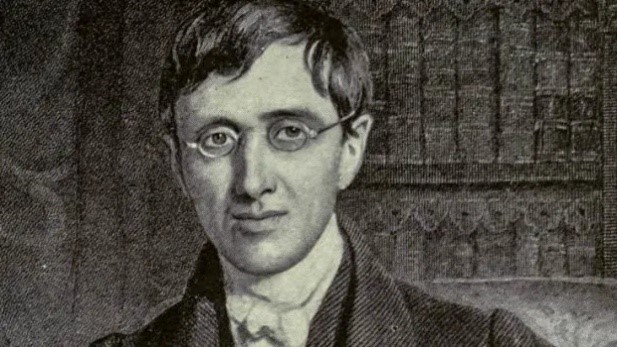
Image Credit (Public Domain)
“Surrender to God”
Heart Speaks to Heart, Cor ad Cor Loquitur
Sermon Reflection 4 for October, 2025
by Sister Mary Catherine Blanding, IHM
Preached at St. Chad’s Cathedral on the First Sunday of Lent (March 12, 1848)
Context: This was one of the first sermons the newly-ordained Father John Henry Newman, Oratorian preached upon his return in England.
The season of Lent is a season of fasting. Even a cursory glance at the Collects of the Roman Missal will reveal that the Church assumes that the faithful are engaging in a prolonged fast from Ash Wednesday until Holy Saturday. For more than a thousand years this fast was of the strictest kind. Abstinence from meat, eggs and dairy products was required for the entirety of Lent and every day except Sunday was a day of fasting. In more recent centuries the fast was mitigated. By the mid-nineteenth century, when Newman’s sermon below was preached, eggs and dairy were permitted and abstinence from meat was only required a couple of days each week. Fasting was still obligatory, but evening collations were permitted.
Sermon 5. Surrender to God (Click to see text of sermon)
Some Reading Helps
Outline of Sermon and Questions (The numbers refer to note numbers from his sermon).
Introduction
- Our Saint writes "So much relaxed…??" What would the ordinary Catholic think of this statement? (See Context.) (63)
Subduing Ourselves
- What is the momentous duty that fasting is part of and what does it mean? (64)
- What example does St. JHN bring out that shows the doctrine is the same, but develops? (64)
The Different Ways Evil Spirits Work
- Why do the evil spirits attack us differently in different ages? (65)
Subtle temptations
- What were the more subtle temptations Jesus suffered in the wilderness? Define “subtle.” (66-67)
Examples of the Devil’s tactics
- What does Newman mean that a civilized age is more exposed to subtle sins than a barbaric one? (68-69)
- What does our present day fasting suggest to us, or should suggest to us today? (69)
The rule remains strict even today
- Summarize in your own words what St JHN's conclusion is. (70 last part)
Curiosity
- What is the difference between valid curiosity and non-valid sinful curiosity? (The ancients called this vice curiositas, or profane curiosity)
- Is the desire from knowledge bad? What is the difference between a good desire for knowledge and an evil one? (71)
Reason and Will
- What does he mean by "mortify your reason?" (72)
- What does ST JHN mean by preaching "We all like our own will" Is this self-evident to most? (73)
Conclusion
- Summarize two methods St JHN gives of subduing our reason and will. How would a daily examen help with this? (73)
Questions for Pondering, Discussing (The numbers refer to note numbers from his sermon).
- How does this paragraph exemplify his work, Development of Christian Doctrine? (64 2nd paragraph)
- Compare what he says about the evil spirits temptations to what C. S. Lewis says in Screwtape Letters What do you think are some common 21st century temptations? (65)
- Make the distinction that St JHN is making when he writes "But there are a great many things wrong which are not so obviously wrong." Expand. (66)
- What are some examples of 2025 subtle sins? What would Newman say to them? (67)
- Exemplify contrasts of subtle vs direct sins of the 21st century. (67)
- Argue Newman's point that a civilized age is more exposed to subtle sins than a rude one. Or, we can reword it: a 1st world country is more tempted to subtle sins than a 3rd world. (68)
- Why must our self-denial differ from our ancestors? (68-69)
- If you were preaching this sermon today, how would you reword "the rule the Church gives now, though indulgent, yet is strict too. It tries a man." Or could you? (69)
- What does Newman mean "They were divinely enlightened to see that the coming age, at the beginning of which they stood, required more than anything else, not mortification of the body, but more than it mortification of the reason and the will.” Comment, apply, expand. (70)
- Comment on "evil curiosity" and relate to today's world. (71)
- The writer of the Idea of a University tells us Religion is our only food. Distinguish this from fideism (faith only) What is St JHN's point? How is Newman's exhortation to mortify our reason relevant to today? (72)
- Make a connection between this poem (“Flowers Without Fruit” - click on title to see poem) and the sermon we just read
- Excessive emotion and over-wrought prayers which are full of “flowery” language but are empty, bear no fruit----Newman worried over feelings disguised as spirituality
- The word “meanest” in the 8th line of the poem means “shabby” or “slight”
- Compare this poem to the miracle worked in his second miracle for canonization; all Melissa said was ““Please Cardinal Newman make the bleeding stop!” (https://www.newmancanonisation.com/newmans-miracle)
Personal Reflection Questions
- How do you see in your own life the challenge in mortifying the intellect and will?
- What are the “subtle temptations” you find in yourself?
- What is a personally specific way for you to mortify your most subtle temptation?
Sources and Websites to Explore on this topic
S.D. Wright, “Did the Church Abolish Fasting or Intend to Modify it? The W M Review, (I found the article interesting, but would not recommend the website) https://www.wmreview.org/p/how-should-todays-catholics-approach-lent-timeless-advice-from-john-henry-newman
Barbara Wyman, “Surrender to God” in Cardinal Newman Website, April 12, 2025, https://www.cardinaljohnhenrynewman.com/surrender-to-god/