1848
|
-
+
-
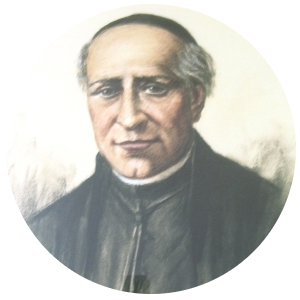
July 1, 1848 - Fr. Joaquin Masmitjá founds the Sisters of the Immaculate Heart of Mary for the purpose of rebuilding society through the education of young women. +
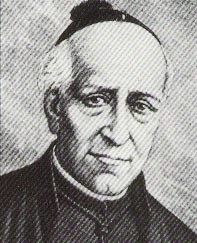 Fr. Masmitjá was deeply concerned about the social problems in Spanish society, especially the plight of women. Due to the Industrial Revolution, large numbers of men and women were flooding the city from the rural areas. Most were uneducated and illiterate, and the work in the newly founded factories was little better than slavery. Many of the women were forced into prostitution as a means of survival. While praying before a sculpture of the Sorrowful Mother, Fr. Masmitjá conceived the idea of founding a religious congregation for the apostolate of education and prayer. While this was not a good time for the founding of a community due to the anticlerical laws of the time, Fr. Masmitjá was sure that his inspiration was from the Holy Spirit and that he would be given the strength and means necessary to accomplish the work. With encouragement from Fr. Anthony Mary Claret, Fr. Masmitjá surrendered himself and the work to God’s providence. He chose seven young women from among his penitents, in honor of the seven swords that pierced Mary’s heart. When he met with them in December, 1847, he was joyous in seeing himself surrounded by his courageous and dedicated penitents; he explained his plans for the new institute and the difficulties that they would face but the women responded with determination and enthusiasm. Fr. Masmitjá was deeply concerned about the social problems in Spanish society, especially the plight of women. Due to the Industrial Revolution, large numbers of men and women were flooding the city from the rural areas. Most were uneducated and illiterate, and the work in the newly founded factories was little better than slavery. Many of the women were forced into prostitution as a means of survival. While praying before a sculpture of the Sorrowful Mother, Fr. Masmitjá conceived the idea of founding a religious congregation for the apostolate of education and prayer. While this was not a good time for the founding of a community due to the anticlerical laws of the time, Fr. Masmitjá was sure that his inspiration was from the Holy Spirit and that he would be given the strength and means necessary to accomplish the work. With encouragement from Fr. Anthony Mary Claret, Fr. Masmitjá surrendered himself and the work to God’s providence. He chose seven young women from among his penitents, in honor of the seven swords that pierced Mary’s heart. When he met with them in December, 1847, he was joyous in seeing himself surrounded by his courageous and dedicated penitents; he explained his plans for the new institute and the difficulties that they would face but the women responded with determination and enthusiasm.
|
1871
|
-
+
-
August 2, 1871 - Fr. Masmitjá sends out Sisters from Spain to the mission country of Los Angeles, California, at the request of Bishop Amat. +
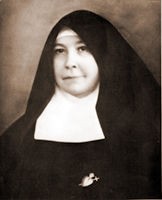 God works in mysterious ways. Bishop Tadeo Amat, Bishop of Monterey and Los Angeles, was on his way to Vatican Council I; en route to Rome, he stopped in his native Barcelona where he heard of all of the work the IHM’s were doing in Spain. Arriving at the First Vatican Council, he spoke with Bishop Anthony Mary Claret who strongly urged Bishop Amat to invite the Sisters to California. Bishop Amat contacted Fr. Joaquin Masmitjá, and he asked for volunteers as the Sisters would not be able to return to their native country. Ten Sisters, sent with Fr. Masmitjá's blessing, left by boat on August 2, 1871, heading to California in order to establish schools in the mission diocese in America. Father Founder wrote the Sisters often, giving them encouragement and advice. God works in mysterious ways. Bishop Tadeo Amat, Bishop of Monterey and Los Angeles, was on his way to Vatican Council I; en route to Rome, he stopped in his native Barcelona where he heard of all of the work the IHM’s were doing in Spain. Arriving at the First Vatican Council, he spoke with Bishop Anthony Mary Claret who strongly urged Bishop Amat to invite the Sisters to California. Bishop Amat contacted Fr. Joaquin Masmitjá, and he asked for volunteers as the Sisters would not be able to return to their native country. Ten Sisters, sent with Fr. Masmitjá's blessing, left by boat on August 2, 1871, heading to California in order to establish schools in the mission diocese in America. Father Founder wrote the Sisters often, giving them encouragement and advice.
Mother Raimunda
|
1924
|
-
+
-
April 26, 1924 - The Sisters in California establish their own foundation. +
At this time, the daughter house of the Spanish community became a pontifical institute, separate from the Spanish motherhouse. The distance (before air mail, e-mail and faxes), which made communication difficult, was the reason for this separation. At that time, there were 100 professed Sisters in California. Centered in Los Angeles, the Sisters served up and down the coast of California in elementary and secondary schools as well as in their own college, Immaculate Heart College. Soon they expanded into Texas and Arizona. In the 1950s, the Sisters branched out into health care and retreat work. By the 1960s, there were 600 professed Sisters in 68 elementary schools, 11 high schools, one college, and two hospitals.
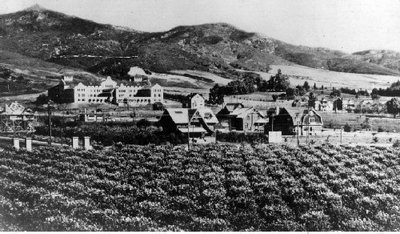 California Motherhouse California Motherhouse
|
1976
|
-
+
-
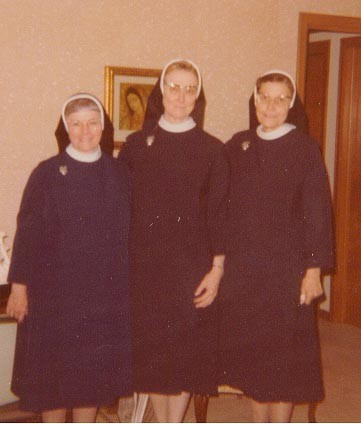
June 22, 1976 – After requesting the permission of David M. Maloney, Bishop of Wichita, to establish a house in the diocese, Mother Joanne, Sister Eileen and Sister Giovanni arrive in Wichita. A short time before, Mother Joanne, while on pilgrimage to Rom +
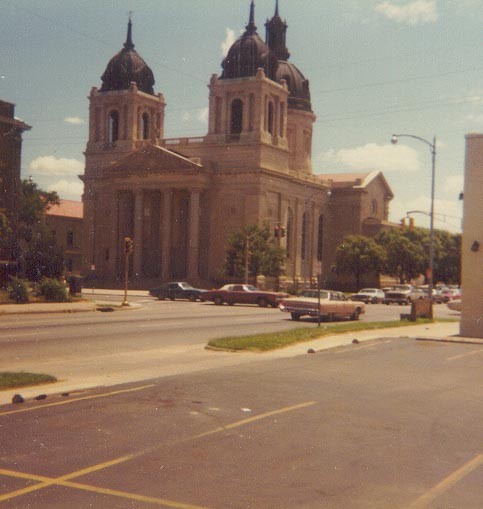 As a result of the tumultuous decade of the 1960s, divergent views of religious life and Church authority were emerging from among the Sisters. Mother Joanne, Sister Eileen and Sister Giovanni were directed by the Holy See to find another diocese that would welcome them and their works. They began this search, hoping that someday this small beginning would grow into a province of their California Institute. The Sisters were attracted to Wichita because of its fidelity and orthodoxy. Bishop Maloney was attracted to the Sisters’ mission of contemplation of the Word and the spread of the Gospel through works of education. They arrived with only a few possessions and a few dollars to begin their new life. The Sisters of St. Joseph, especially Sister Ephrem and Sister Matthew, helped the newly arrived Sisters, most notably by keeping their refrigerator and pantry stocked until they had a regular income. Mother Joanne would often muse that they were called from the vineyards of California to the wheat fields of Kansas … the Eucharistic sacrifice played out in their lives. When the Mothers came to Wichita they were in there 60s and 70s. They literally picked up, left everything they knew and the land they called home and came to a new land, a land they knew not. As a result of the tumultuous decade of the 1960s, divergent views of religious life and Church authority were emerging from among the Sisters. Mother Joanne, Sister Eileen and Sister Giovanni were directed by the Holy See to find another diocese that would welcome them and their works. They began this search, hoping that someday this small beginning would grow into a province of their California Institute. The Sisters were attracted to Wichita because of its fidelity and orthodoxy. Bishop Maloney was attracted to the Sisters’ mission of contemplation of the Word and the spread of the Gospel through works of education. They arrived with only a few possessions and a few dollars to begin their new life. The Sisters of St. Joseph, especially Sister Ephrem and Sister Matthew, helped the newly arrived Sisters, most notably by keeping their refrigerator and pantry stocked until they had a regular income. Mother Joanne would often muse that they were called from the vineyards of California to the wheat fields of Kansas … the Eucharistic sacrifice played out in their lives. When the Mothers came to Wichita they were in there 60s and 70s. They literally picked up, left everything they knew and the land they called home and came to a new land, a land they knew not.
|
1979
|
-
+
-
February 11, 1979 - The community in Wichita becomes autonomous. +
 Hoping that the Wichita Foundation could someday become a province of the California Institute, the Sisters in Wichita maintained communication with the Sisters in California. As time progressed, it became evident that there would be no unified vision regarding the charism of the Sisters of the Immaculate Heart of Mary, nor would there be a similarity in the living of the religious life under one rule of life. Desiring to live the charism as bestowed upon them through Father Masmitja and to live religious life according to the mind and heart of the Church’s teaching regarding such, Mother Joanne, Sister Eileen, and Sister Giovanni, following the advice of the apostolic delegate, Rev. Thomas Raphael Gallagher, OP, separated themselves from the California Institute and began again the process of becoming a religious institute in the Diocese of Wichita. Hoping that the Wichita Foundation could someday become a province of the California Institute, the Sisters in Wichita maintained communication with the Sisters in California. As time progressed, it became evident that there would be no unified vision regarding the charism of the Sisters of the Immaculate Heart of Mary, nor would there be a similarity in the living of the religious life under one rule of life. Desiring to live the charism as bestowed upon them through Father Masmitja and to live religious life according to the mind and heart of the Church’s teaching regarding such, Mother Joanne, Sister Eileen, and Sister Giovanni, following the advice of the apostolic delegate, Rev. Thomas Raphael Gallagher, OP, separated themselves from the California Institute and began again the process of becoming a religious institute in the Diocese of Wichita.
|
1998
|
-
+
-
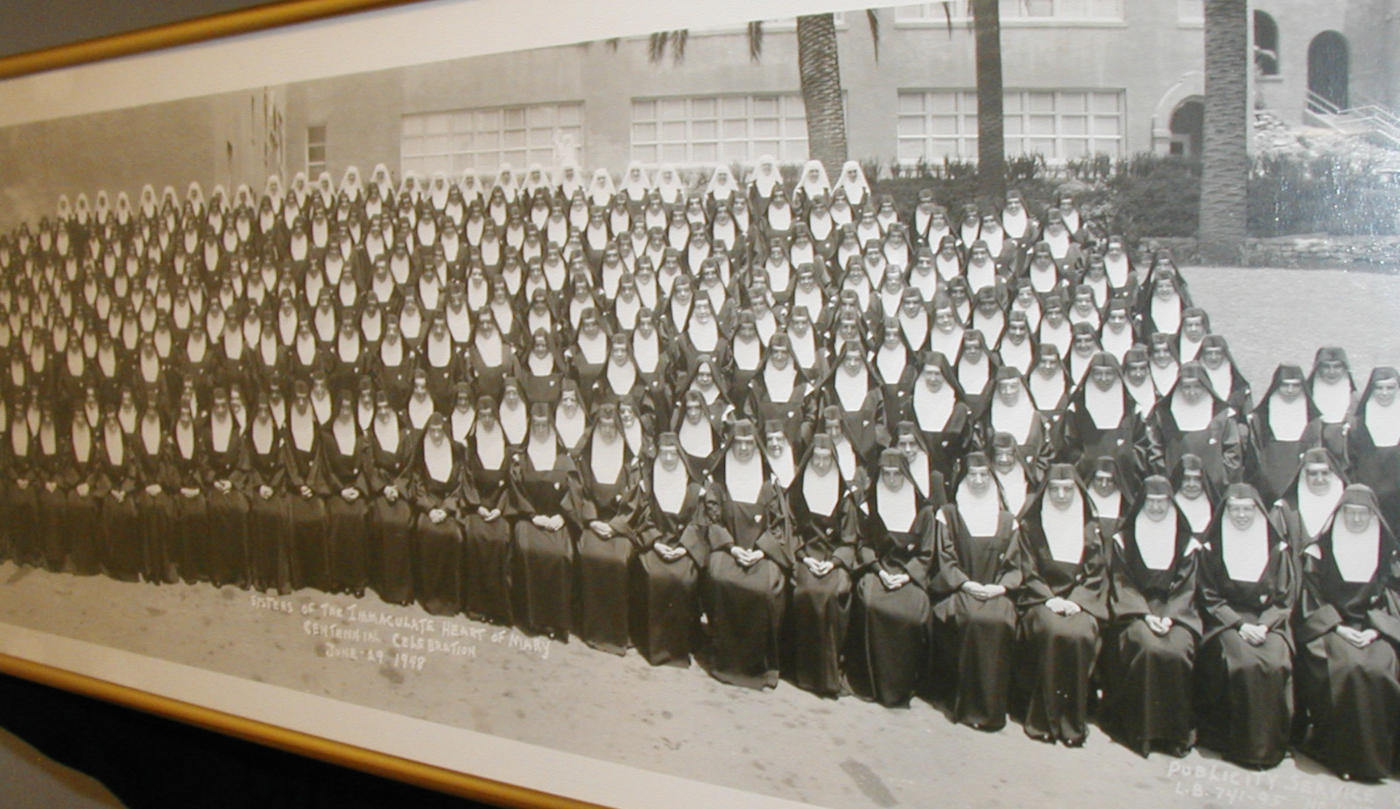
July 1, 1998 - IHM celebrates 150 years since original foundation in Spain. +
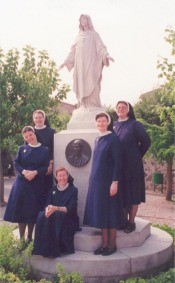 Five of our Sisters travelled to Spain, the Catalonian region, to celebrate with several groups of IHM Sisters. They were able to visit all of the convents that Fr. Masmitjá established during his life. In addition, they were able to see the places associated with the IHM Martyrs of the Spanish Civil War. Sisters Rosa, Carmen and Magdalena were martyred for the faith, September 27, 1936, and beatified in Rome in 2007 along with nearly 500 other martyrs of the Spanish Civil War. Five of our Sisters travelled to Spain, the Catalonian region, to celebrate with several groups of IHM Sisters. They were able to visit all of the convents that Fr. Masmitjá established during his life. In addition, they were able to see the places associated with the IHM Martyrs of the Spanish Civil War. Sisters Rosa, Carmen and Magdalena were martyred for the faith, September 27, 1936, and beatified in Rome in 2007 along with nearly 500 other martyrs of the Spanish Civil War.
|
2007
|
-
+
-
September 8, 2007 - IHM is raised to the status of a diocesan institute. +
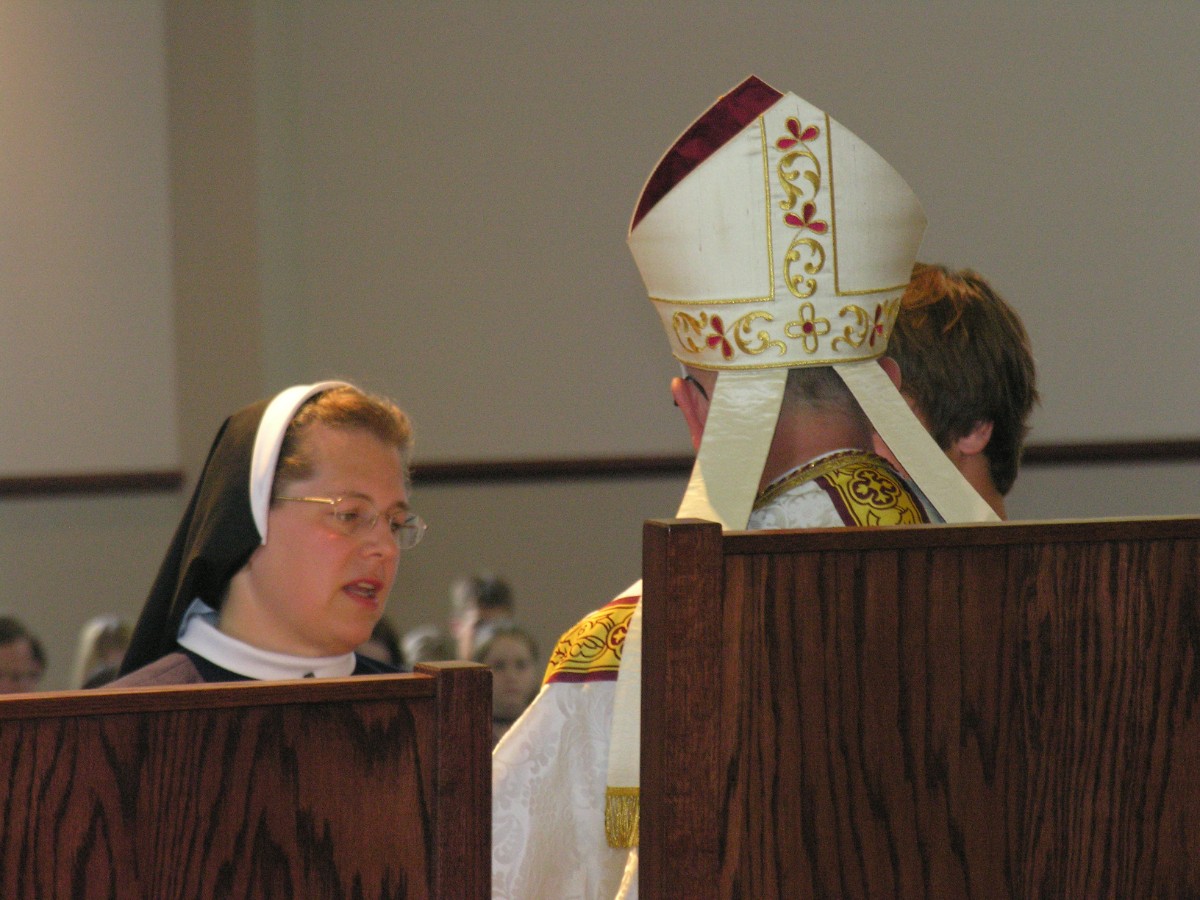 On the feast of the Nativity of the Blessed Virgin Mary, Bishop Michael Jackels, then Bishop of Wichita, raised the community to a religious institute of diocesan right. The Sisters were joined by family and friends as they celebrated this next step in the history of their community. This event did not change the mission of the Sisters; they continue to strive to be faithful to their founding charism and prayer as well as serve the Church in the diocese of Wichita. On the feast of the Nativity of the Blessed Virgin Mary, Bishop Michael Jackels, then Bishop of Wichita, raised the community to a religious institute of diocesan right. The Sisters were joined by family and friends as they celebrated this next step in the history of their community. This event did not change the mission of the Sisters; they continue to strive to be faithful to their founding charism and prayer as well as serve the Church in the diocese of Wichita.
|