


When Words Fail, Lives Speak
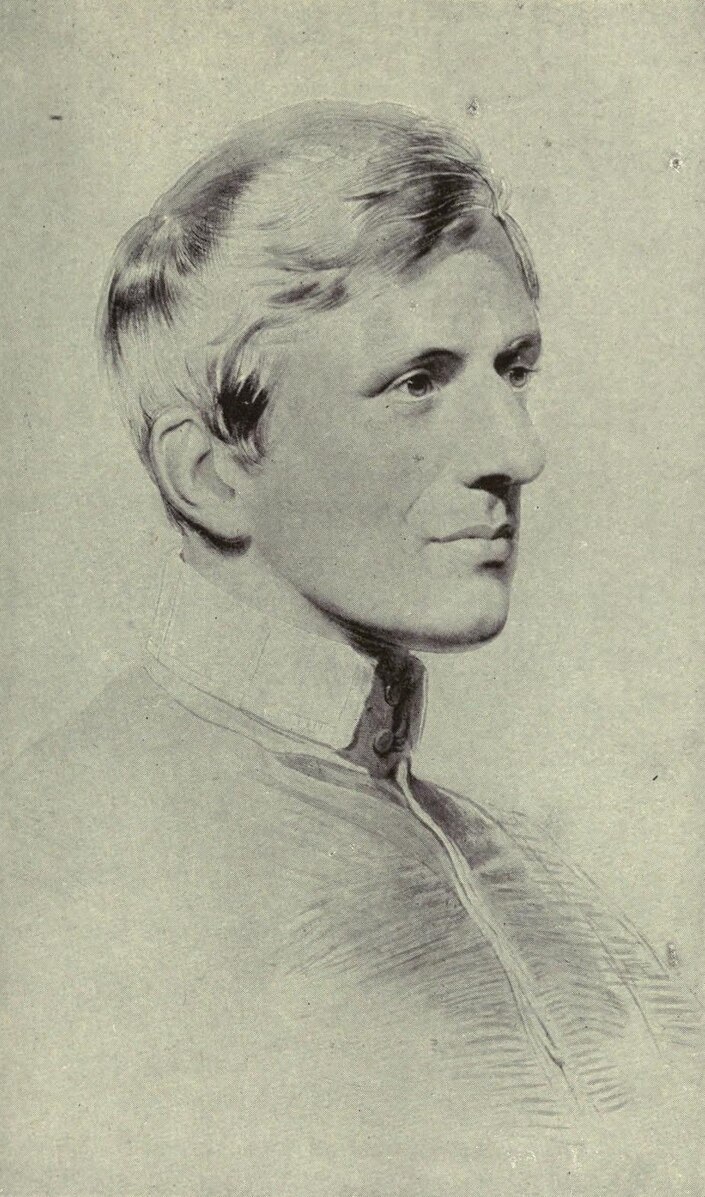
Public Domain
“Personal Influence, the Means of Propagating the Truth”
Heart Speaks to Heart, Cor ad Cor Loquitur
Sermon Reflection 3 for August, 2025
by Sister Mary Catherine Blanding, IHM
When words fail, lives speak.
St. John Henry Newman believed that truth is most powerfully carried by the witness of a holy life—not by argument, not by books, but by the quiet force of personal influence. In this reflection on his sermon Personal Influence, the Means of Propagating the Truth, we explore why the early Church triumphed, why hidden saints still sustain the faith, and how your life—yes, yours—can become a “heart speaking to heart” in a world hungry for truth.
Sermon Synopsis
Context: On Sunday, January 22, 1832, at 4:00 p.m., in the church of St. Mary the Virgin, Oxford, England, St. John Henry Newman, now revered as “Doctor to Be,” preached this sermon on personal influence. It was a truth so dear to him that he captured it in his motto, Cor ad cor loquitur, “Heart speaks to heart.” This early sermon of the Oxford Movement set the very tone of the Tractarians — that group within the Church of England who sought a return to Catholic tradition.
Content: Our upcoming Church Doctor first raises the question, How is it possible that the Church has grown and prospered all these centuries through such adverse conditions? It wasn’t miracles, or the visible existence of the Church, or an inherent moral quality in people that helped them recognize excellence.
He concluded it has been upheld in the world not as a system, not by books, not by argument, nor by temporal power, but by the personal influence of such men as…are at once the teachers and patterns of it.
This is a lengthier sermon, so the editor divided it into both the notes and numbers. Listed below is the Newman Reader address for the actual sermon:
Sermon 5. Personal Influence, the Means of Propagating the Truth (Click to see text of sermon)
When you begin reading the sermon, you will see [75].
Some Reading Helps
The numbers refer to note numbers from his sermon.
Historical Context & Causes of Christian Success
- The early Christians’ success, despite serious setbacks, can only be explained by a supernatural cause. (n. 76)
- Certain worldly advantages we might expect were not the cause—and understanding why deepens our faith. (n. 76–78)
- Intellectual debate often favors error more than truth, a reality we still see in today’s arguments. (n. 89–90)
- Tumult and heresy mark every age, yet Newman’s perspective offers a path to contentment and tranquility. (n. 97)
Moral Truth & Discernment
- Moral truth is not easily or generally discerned. (n. 79)
- The person whose light of truth grows resembles St. Ignatius’ teaching on the discernment of spirits. (n. 81)
- The most gifted and holy individuals are often the least able to defend themselves. (n. 83)
- Amidst the world’s incessant noise, only what cries aloud and provokes will draw attention. (n. 83)
- A leader cannot entrust his charge to others until they have been formed to be like him. (n. 83)
Limitations of Intellectualism
- It is easy to be “religious on paper,” but far harder to live the Faith. (n. 91)
- Secular intellectual arguments often enjoy an unchecked opportunity for injustice and falsehood. (n. 91)
- Virtue in a living person carries persuasive power, while virtue described in a book is almost powerless. (n. 92)
- High moral excellence belongs to a school almost unknown to many educated scholars, setting them apart from mere sophists. (n. 92)
Power of Personal Holiness
- Consistency of virtue can tame worldly rudeness into obedience. (n. 93–94)
- Affliction, rightly borne, saves a person from utter ruin. (n. 94)
- Hidden holiness persuades and commands more effectively than deliberate self-promotion. (n. 95)
- Certain individuals influence us deeply because of their unassuming holiness. (n. 95)
- Personal holiness can change even those who scoff at religion. (n. 95)
- Unnoticed saints do exist, and their quiet lives sustain the Church. (n. 96)
Enduring Influence
A few highly endowed individuals can rescue the world for centuries to come. (n. 97)
Personal Reflection Questions
-
Where do worldly temptations creep into your thinking?
-
Do you truly believe: “The only tragedy in life is not to be a saint”?
-
How can your own personal influence quietly strengthen the faith of others?
St. John Henry’s sermon reminds us that this calling is not reserved for the extraordinary person. Each of us, by cultivating steady virtue, bearing trials with trust, and living with unassuming holiness, can become a quiet force for truth in our own time.
In God’s providence, it will be the hidden lives, steadfast friendships, and silent witnesses that preserve the faith for generations to come. The rescue of the world does not begin with grand strategies, but in the simple act of letting one heart speak to another.
Will you respond to St. John Henry’s invitation to rescue the world through your own personal influence?
St. John Henry Newman, imminent Church Doctor, pray for us!